UXR Research System
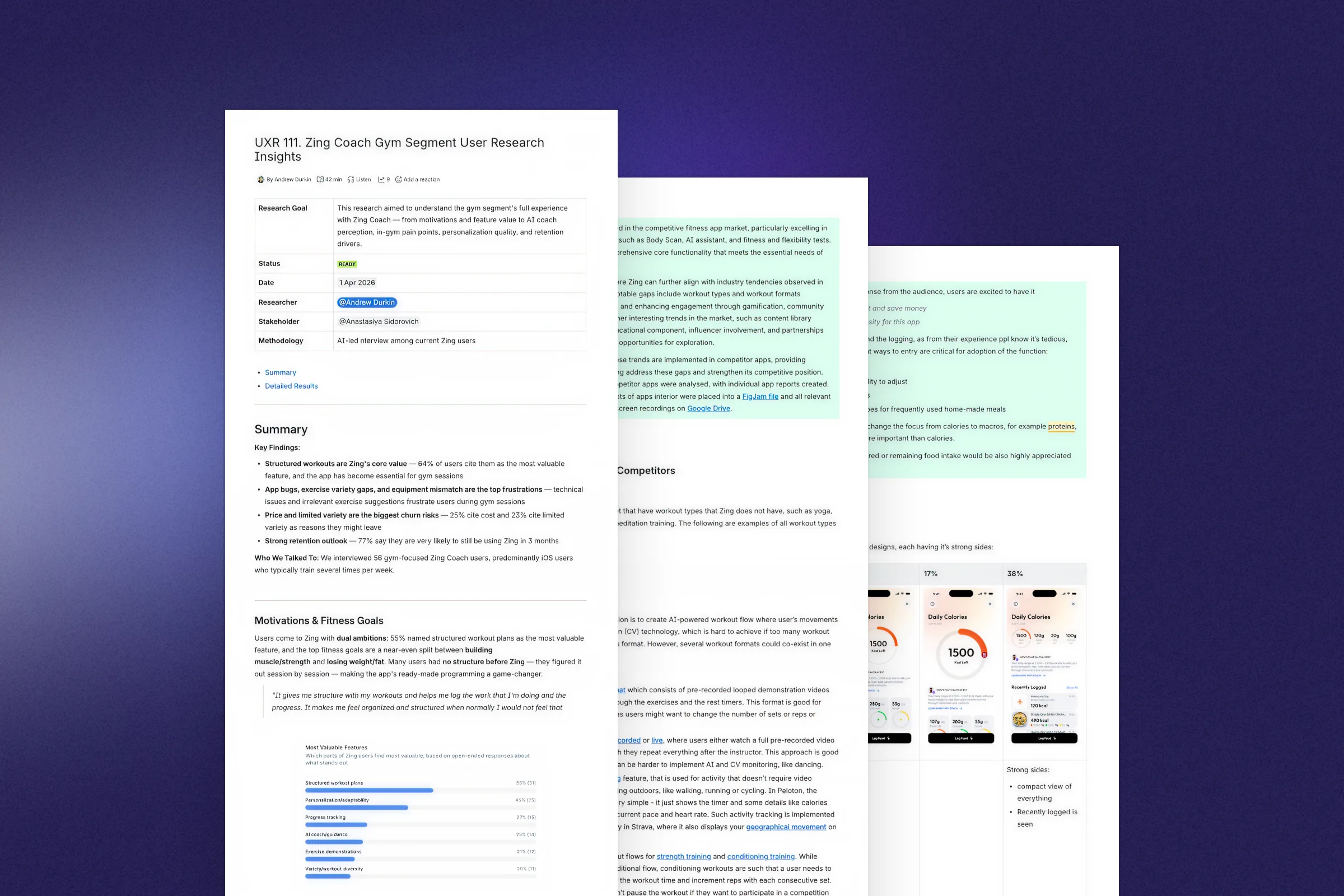
100+ research studies across onboarding, retention, monetization, and audience discovery. Each study started with a product decision, and each finding fed directly into design changes, roadmap decisions, and strategy. Segmentation changed the work: a new user, a churner, a female subscriber, and a gym user could look at the same screen and get stuck for different reasons.
- Role
- Product Design Lead
- Timeline
- 2022 — Now
- Contribution
- UX Research, Churn & Retention, Field Research
Decisions moved faster than research
Zing shipped every sprint, and decisions could not wait: pricing, onboarding, new segments. Classic research — long cycles, big samples, reports for archiving — kept arriving after the decision was already made.
So the question was not what to study. It was how to make research move at the speed of shipping.
How the operation was structured
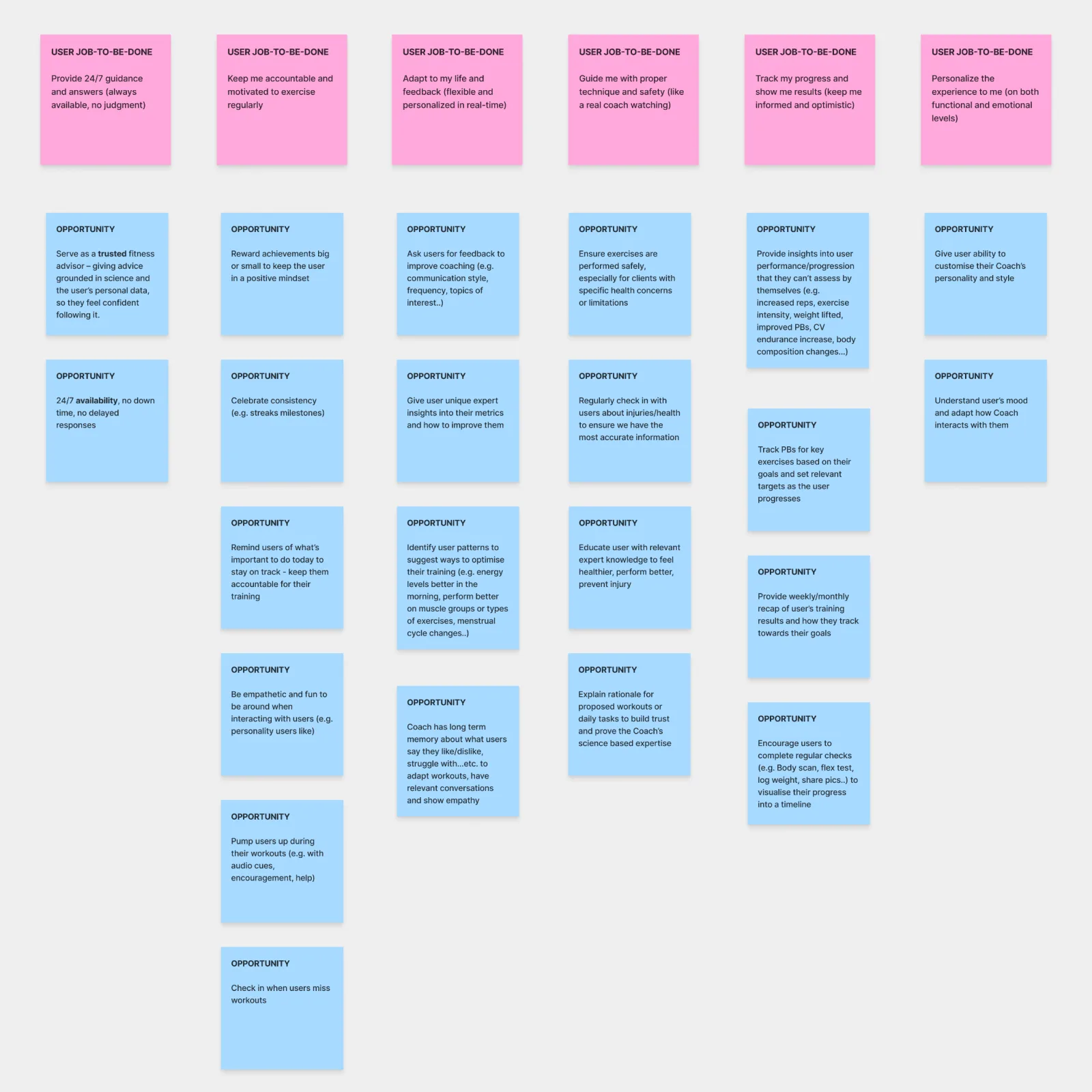
Research moved at product speed: short cycles from request to report, each study built around one question, a defined segment, and explicit next steps — not documents for archiving.
Segments came before recruiting: gender, fitness level, primary goal, environment, engagement depth. Interviews ran on scripted flows tied to specific hypotheses; usability tests put real Figma prototypes in front of the target audience.
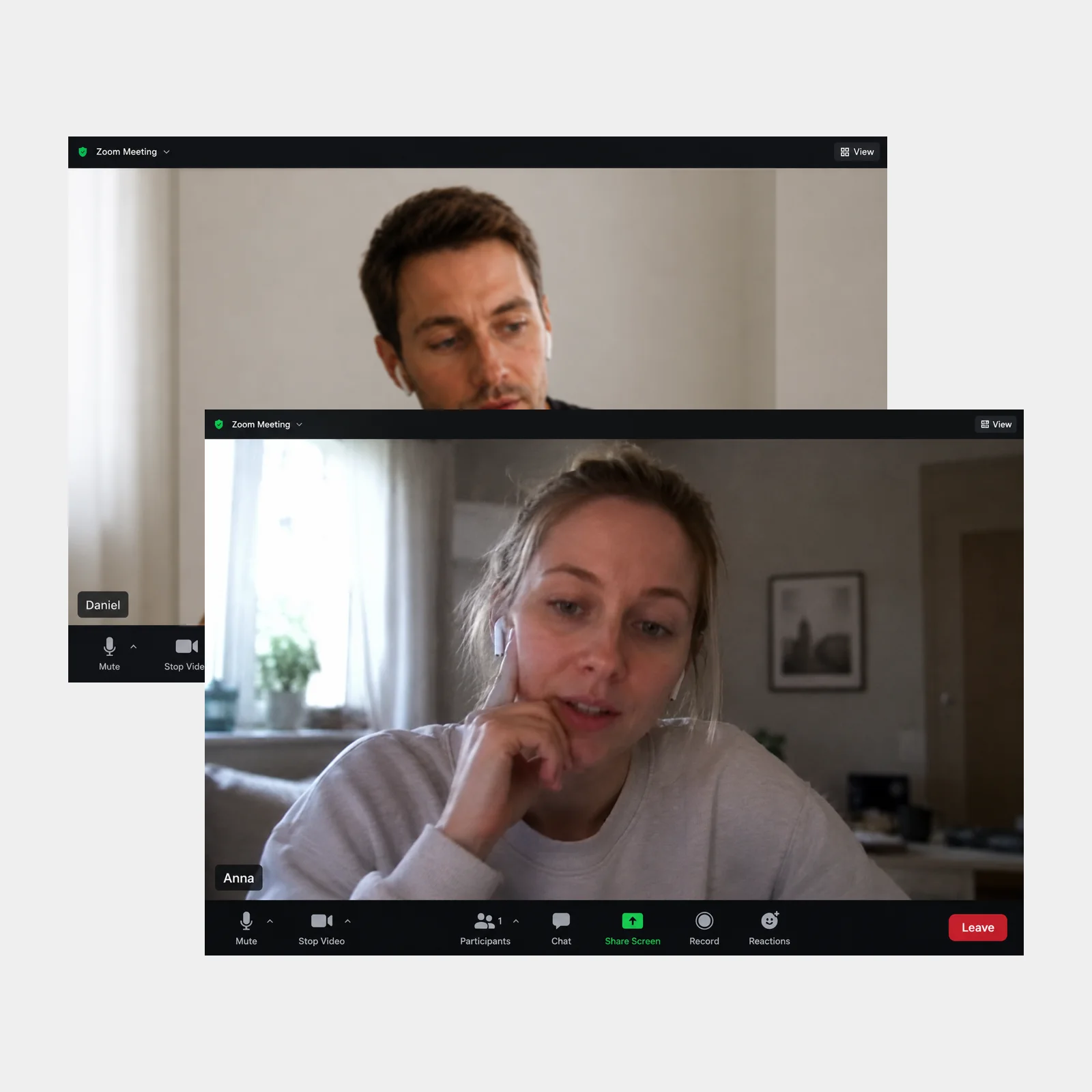
AI made the speed possible. AI-moderated interviews through Listen Labs and UserTesting.com ran dozens of sessions in parallel, and AI-assisted synthesis turned transcripts into findings in days, not weeks.
Reports ended in decisions, not archives — summary, severity grouping, owners. Research didn't end at the report; it ended at the shipped fix.
Zing Lab — field research
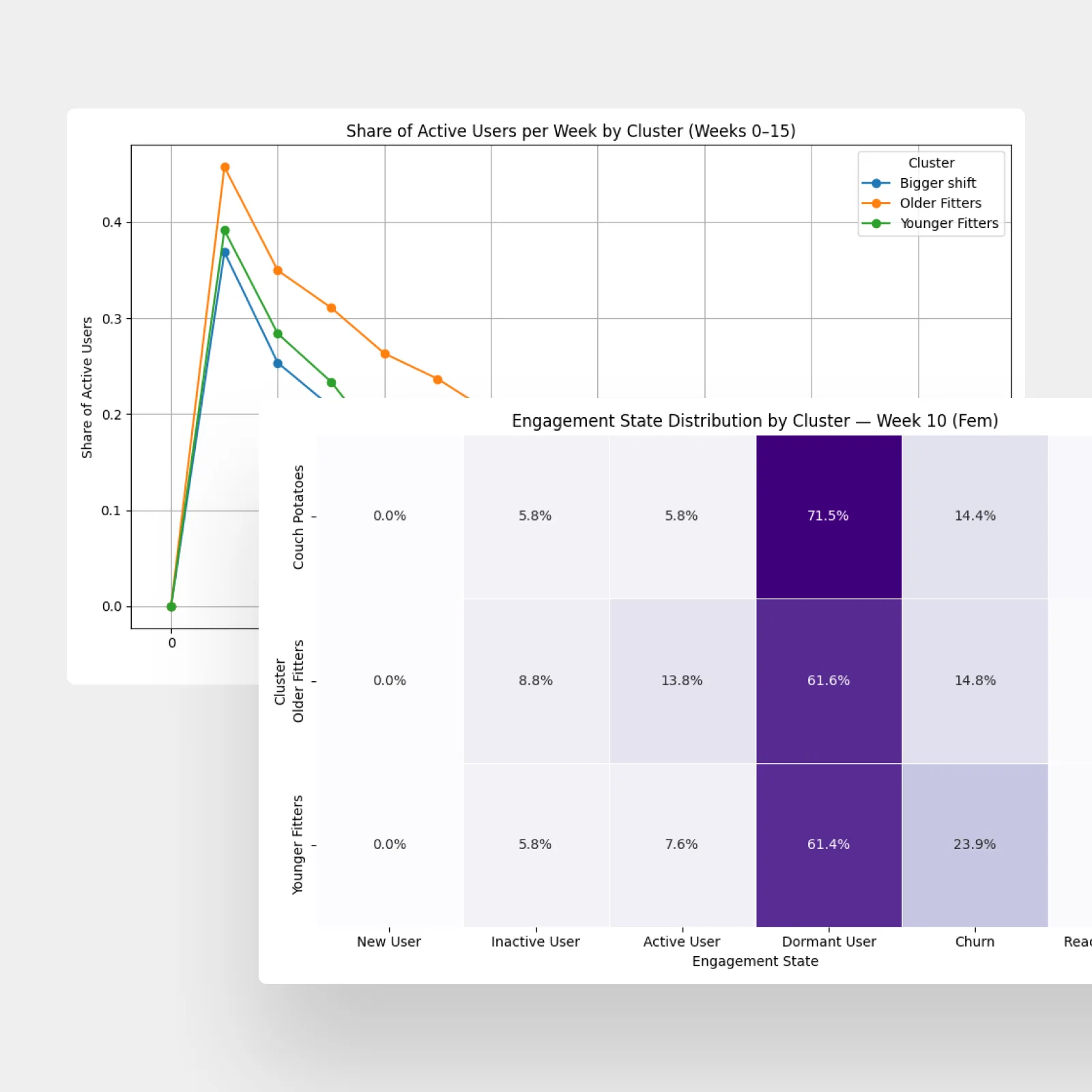
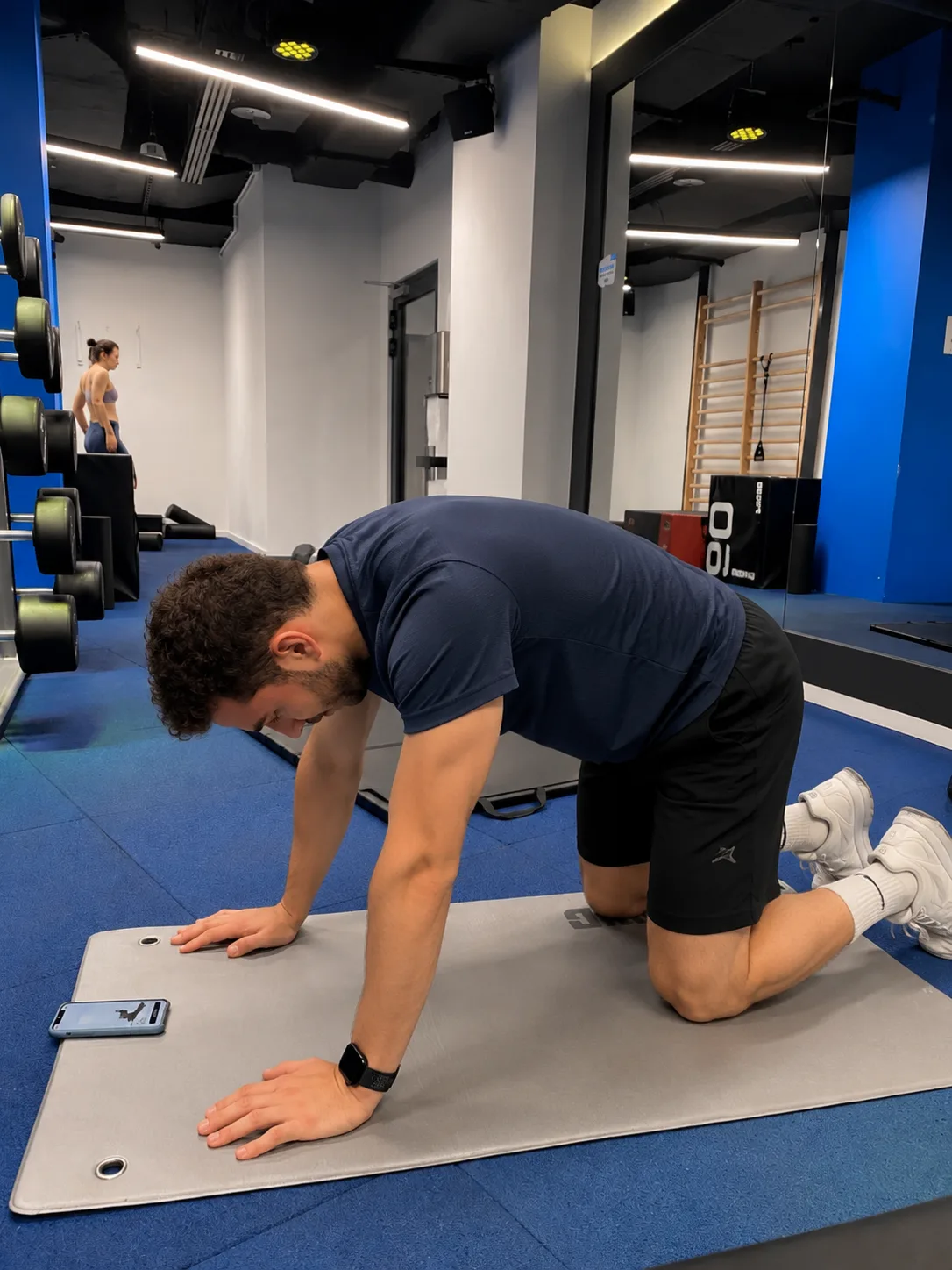
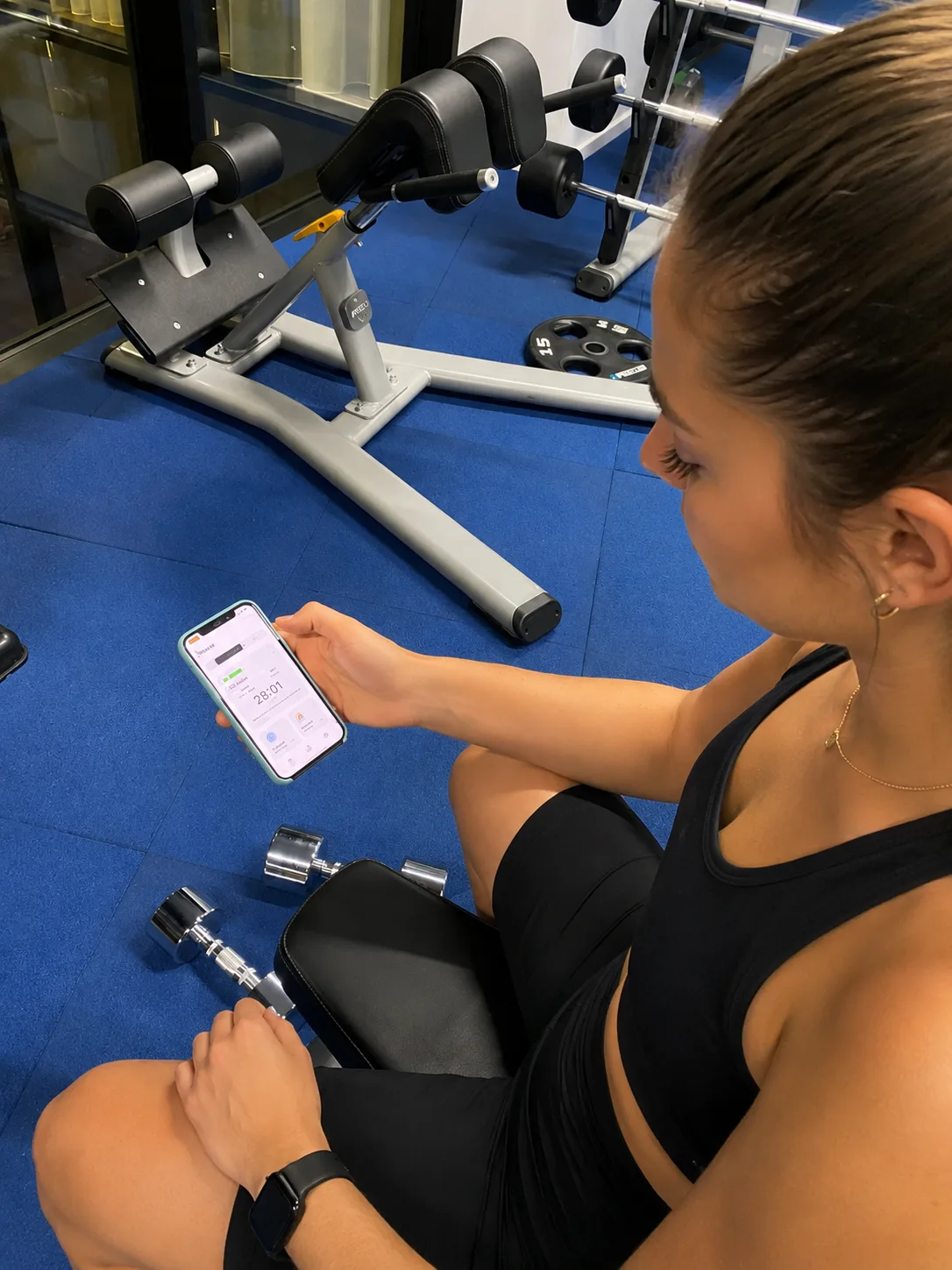
Remote interviews told us what users said. Zing Lab showed what actually happened when someone opened the app mid-workout, stood in front of a machine, and tried to follow along.
Sessions ran in working gyms in Limassol and Warsaw: a full workout with the app, observed live, then a retro interview.
The lab caught what remote studies couldn't. Onboarding answers had no visible effect on the plan — gym users got home workouts with yoga mats. Supersets routed people across floors, with no way to skip a busy machine. Warm-ups opened with squats nobody understood.
The finish leaked too: the completion screen ended in a celebration video instead of results, the fitness test read as an upsell, and the watch showed a different workout than the phone.
50+
Lab participants
60
Issues logged
What the research kept finding
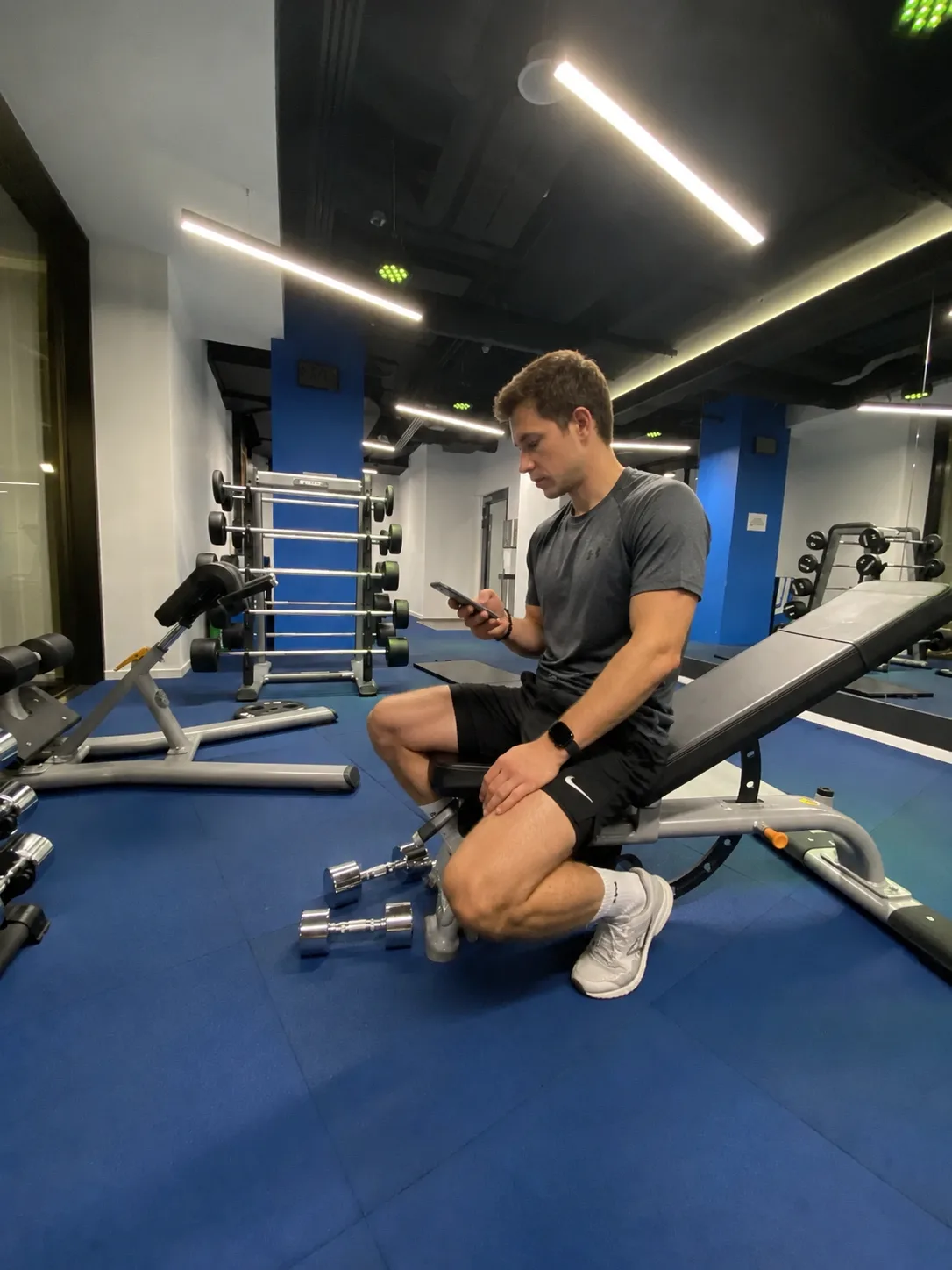
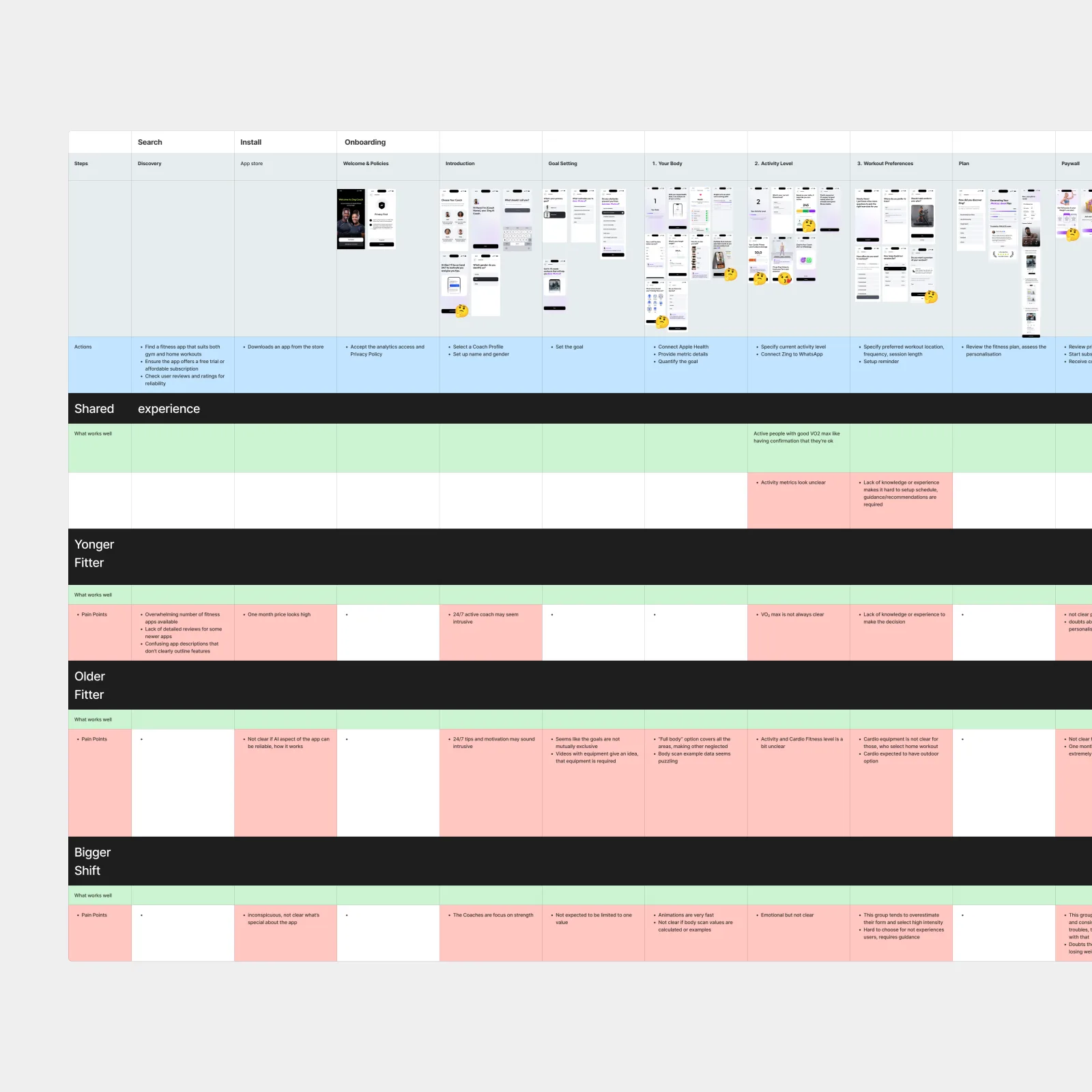
Four patterns kept showing up — and each one changed what we built.
The AI didn't act like AI: churners expected a coach that adapts and got prerecorded videos. Injury-aware recommendations, equipment auto-swap, and the Strength Score shipped in response.
The product was built for someone else: women framed goals as "tone up", not "build muscle" — the funnel defaulted to male patterns. We rebuilt the female web funnel and rewrote the onboarding quiz.
Onboarding felt like data collection, not coaching — users skipped the science-based summaries. Copy, messaging, and home hierarchy changed in response.
Cancellations came down to price, Body Scan expectations, and a habit that never formed. Body Scan was repositioned and renewal pricing made transparent.
78%
Reachable churners with zero workouts
~30%
Cancellations per top reason
What shipped
Research ran as part of shipping, not alongside it. Most reports ended in next steps with an owner, and the biggest fixes above trace back to specific studies.
New bets usually started with research rather than design — the female web funnel, muscle gain onboarding, and AI Coach positioning grew out of interviews and competitor teardowns.
- 100+
- Research reports
- 7
- Product areas covered
- 1–4 wks
- Request to report
What I learned
Research only worked when it answered questions the product was ready to act on. Speed mattered more than sample size. The same finding appearing in interviews, support, reviews, and behavior mattered more than statistical significance.
The best research became invisible — findings shipped and no one remembered they came from a study. The work was in making the discovery simple enough that it felt obvious.